Smarter Deliveries for Everyday Essentials
Today we dive into subscription refill programs, comparing real costs, everyday convenience, and the carbon footprint behind each delivery. We will look at how pricing structures, delivery cadence, packaging choices, and last‑mile logistics add up, and how you can tune settings to reduce overspending, avoid pantry clutter, and cut emissions without sacrificing comfort. Expect practical tips, candid stories, and actionable checklists to help you make confident decisions for your household and the planet, plus invitations to share your experiences so everyone learns faster together.
What Your Wallet Really Pays
Unit Price vs. Habit Price
The price per bottle or bag is different from the price of an unchecked habit. When deliveries arrive too often, you pay for storage space and risk forgotten stock. Compare delivered cost per ounce or sheet against local bulk options, then include any subscription discounts. If a concentrated refill delivers more usable product per kilogram shipped, those grams translate into real value, especially when you stop rebuying heavy packaging that only looks like a bargain.
Cadence, Breakage, and Overstock
A generous refill schedule feels safe until a shelf starts overflowing. Excess ties up cash and can lead to product spoilage, damaged packaging, or needless replacements. Start with a conservative cadence, log actual consumption, and stretch intervals slowly. If a bottle lasts six weeks, let deliveries follow reality, not anxiety. Many programs allow mid-cycle edits; use them. Your future self will thank you when the pantry breathes and your balance sheet does, too.
Coupons, Loyalty, and the Illusion of Savings
Stacked discounts can persuade you to buy bigger or sooner than you need. Calculate savings after considering increased quantity, earlier charges, and potential waste. If a loyalty tier requires overspending, it is not loyalty—it is leakage. Seek rewards that align with genuine usage, like credits for skipping an unneeded shipment or bonuses for choosing lighter, refillable formats. Real savings show up as fewer impulse top-ups and steadier month-end totals, not just colorful badges.
Convenience Without Compromise
Automation should remove chores, not control. The best experiences reduce cognitive load, send timely nudges, and make skipping painless when life changes. Done right, your future stock levels feel predictable, and errands truly disappear. Done poorly, you inherit administrative work and return labels. Look for clear consumption estimators, calendar integration, and immediate pausing. Convenience becomes meaningful when you get precisely what you need, precisely when you need it, while your attention stays on better things.
The Hidden Journey of a Box
Every shipment carries more than what is inside. Box size, filler materials, route density, and last‑mile efficiency all shape emissions. Refill concentrates and reusable packaging can meaningfully reduce impact by shipping less weight and enabling multiple cycles. Consolidated deliveries often beat multiple small trips, especially when carriers optimize routes. Understanding these levers lets you choose formats and schedules that lower footprint while keeping reliability high, turning routine restocks into quieter choices for the atmosphere.
One Parcel’s Many Emissions
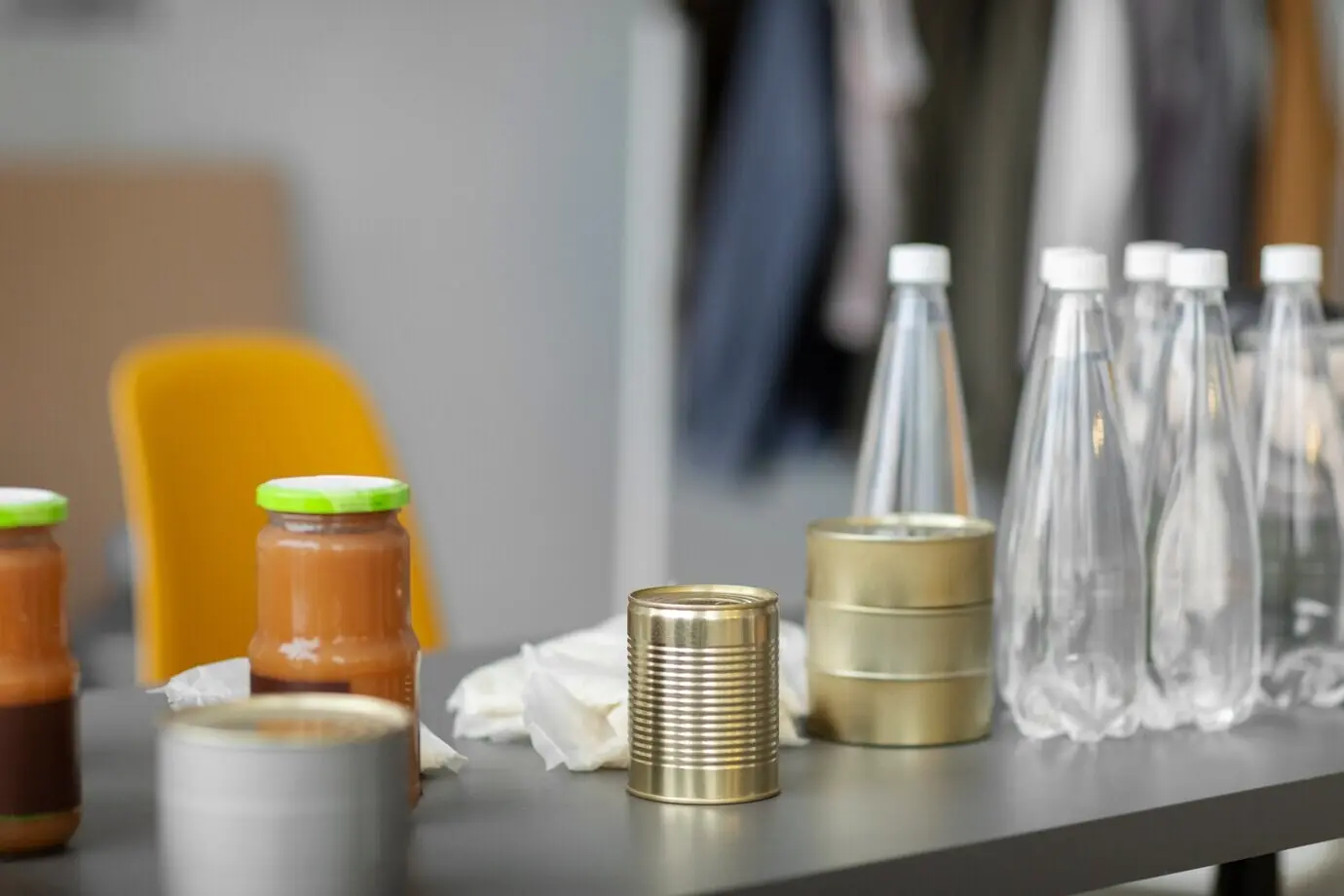
A single delivery touches warehouses, trucks, sorting centers, and your doorstep. Emissions depend on how densely carriers pack routes, how full vehicles run, and how oversized a package is relative to contents. Smaller, right‑sized boxes reduce air shipped and packing filler. When you bundle items into fewer, predictable deliveries, your share of a route becomes more efficient. Over time, those modest gains add up, especially for frequently restocked household essentials that otherwise arrive piecemeal.
Concentrates, Reuse, and Lighter Loads
Concentrated refills turn water into a local resource, not cargo. Shipping tiny sachets or cartridges to refill durable bottles cuts weight dramatically and reduces packaging per use. Reusable containers, when cycled enough times, offset their initial material footprint. Choose sturdy formats with easy cleaning and clear end‑of‑life pathways. When possible, favor mailer designs that nest, fold, or return via mailbox to avoid extra courier trips, preserving the convenience while trimming emissions meaningfully with each cycle.
Reverse Paths and Returns
Returns feel harmless, but reverse logistics add miles and processing steps. Right‑size orders to minimize back‑and‑forth, and use preview windows to cancel before shipping. If a service supports empties take‑back, consolidate them on scheduled pickup days. Transparent labels, scannable QR codes, and drop‑off density matter, too. A smooth reverse path keeps convenience intact while managing impact. The goal is simple: fewer journeys for the same utility, achieved by planning, clarity, and consistent behavior.

Household Snapshots and Candid Wins
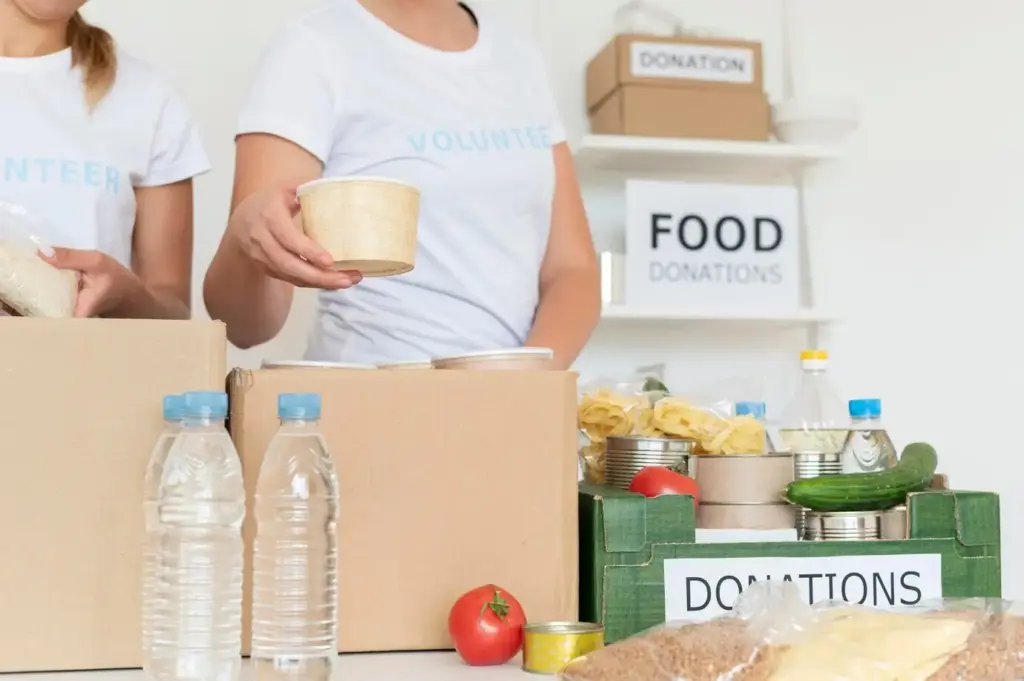
Real lives show what spreadsheets miss. One family saved errand hours but accidentally built a soap museum until they slowed cadence. A student stabilized monthly costs by choosing concentrates and aligning deliveries after payday. A retiree tracked packaging and switched suppliers for lighter mailers. These small shifts created calmer routines, clearer budgets, and lighter bins. Share your experience in the comments—what worked, what surprised you, and which settings finally made refills feel truly effortless and sustainable.

A Setup You Can Trust Month After Month
The secret is iteration. Start small, measure, adjust, and only then scale. Track consumption for core items, choose lighter formats when they exist, and consolidate shipments on predictable days. Use reminders before fulfillment to avoid returns. Prefer suppliers with clear material disclosures and recycling guidance. When the routine feels boring, you have likely nailed it. Share your checklist with us or subscribe for templates; together we can build habits that quietly save money and emissions.
Pick five essentials and time their actual lifespan with a marker note on each container. Compare delivered unit costs and packaging weight across suppliers. Extend intervals that consistently leave extras. Shrink ones that cause emergency runs. Review after two cycles and lock settings. This humble audit creates reliable baselines, preventing drift and defending your budget. It is the difference between automated chaos and a subscription plan that truly fits your lived reality today.
Not all packages are equal. Right‑sized mailers, recycled content, and easily separable components improve end‑of‑life outcomes. Durable bottles paired with lightweight concentrates often beat repeated heavyweight plastics. Look for clear resin codes, minimal mixed materials, and straightforward instructions. If a company supports reuse loops, check how many cycles are typical and commit to returning empties. Material choices translate into quiet, compounding benefits, both in your bin and across the delivery network that serves your neighborhood.

Policies That Nudge Better Defaults
Extended producer responsibility, clear labeling rules, and incentives for reusable systems can shift entire markets. When producers design for recycling or genuine reuse, consumers inherit simpler choices. Policymakers can encourage right‑sizing, minimize empty space, and standardize take‑back logistics. These nudges reduce confusion and reward vendors who deliver utility with less material. Your voice matters: comment on local proposals, support pilots in your city, and ask brands how they plan to meet emerging standards credibly.

Platforms That Reward Efficient Choices
Imagine checkout screens that highlight lighter options, show delivery consolidation benefits, and default to cadences based on observed consumption rather than sales targets. Loyalty points could favor skip decisions that prevent waste, not just bigger carts. Clear carbon estimates would guide tweaks before you click buy. As platforms evolve, convenience will increasingly align with efficiency, turning small settings—like packaging type or delivery day—into powerful, satisfying levers for saving time, money, and emissions simultaneously.

Hardware That Makes Less Feel Like More
Refillable dispensers, smart caps, and dose‑limiting pumps can stretch every shipment further without fuss. Clear volume markings help track real use, while modular containers simplify cleaning and recycling. Mailbox‑friendly cartridges reduce delivery friction and porch risk. When hardware reduces over‑pouring and makes refilling calmly satisfying, you achieve the rare trifecta: lower cost, fewer deliveries, and less packaging. Tell us which designs impress you most, and we will feature thoughtful prototypes and user tests ahead.

All Rights Reserved.